Delivery Management Software in Kenya: A Practical Guide for SMEs
A practical guide for Kenyan SMEs on reducing delivery costs, managing riders, and improving customer trust.
David Kuria
The more we build Roundi and speak with business owners across Nairobi, the clearer it becomes: delivery is no longer just an operational detail.
For many Kenyan businesses, delivery is the only physical interaction customers have with your brand.
When delivery goes wrong, customer trust disappears. When delivery works well, businesses grow faster, get repeat customers, and spend less time fixing problems.
This is why more SMEs are now looking for delivery management software in Kenya, not just riders, not just transport, but tools that help them manage deliveries properly.
This guide explains what delivery management software is, why it matters in Kenya, and how small and medium businesses can use it to reduce costs and improve customer experience.
What Is Delivery Management Software?
Delivery management software helps businesses plan, track, and manage deliveries from start to finish.
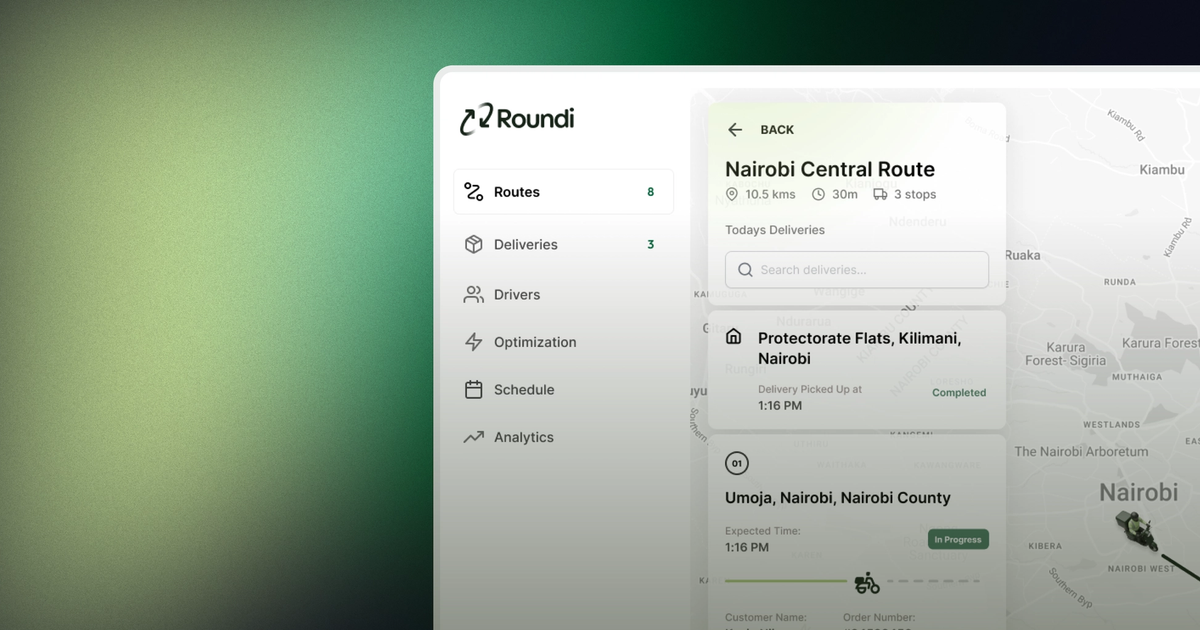
Unlike transport or ride-hailing apps, delivery management software focuses on organizing multiple deliveries in a day, assigning and managing riders, planning efficient delivery routes, tracking deliveries in real time, giving customers accurate ETAs and updates, and improving accountability and performance.
In simple terms, it helps businesses run delivery operations professionally, even with a small team.
Why Delivery Management Is a Challenge in Kenya
Delivery in Kenya, especially in Nairobi, comes with unique challenges that global software often overlooks.
Traffic Is Unpredictable
Nairobi traffic can turn a 20-minute trip into a 90-minute delay. Without route optimization, riders waste fuel and time, and customers get frustrated.
Customers Are Often Unavailable
Customers may be at work, in meetings, or unreachable by phone. Without live updates and clear ETAs, missed deliveries are common.
Riders Handle Multiple Stops
Most SMEs don't have one rider per delivery. One rider typically handles 5–20 stops a day, which requires proper planning, not guesswork.
Fuel Costs Eat Into Margins
Fuel is one of the biggest hidden costs for SMEs. Poor route planning directly reduces profit.
Lack of Visibility Creates Problems
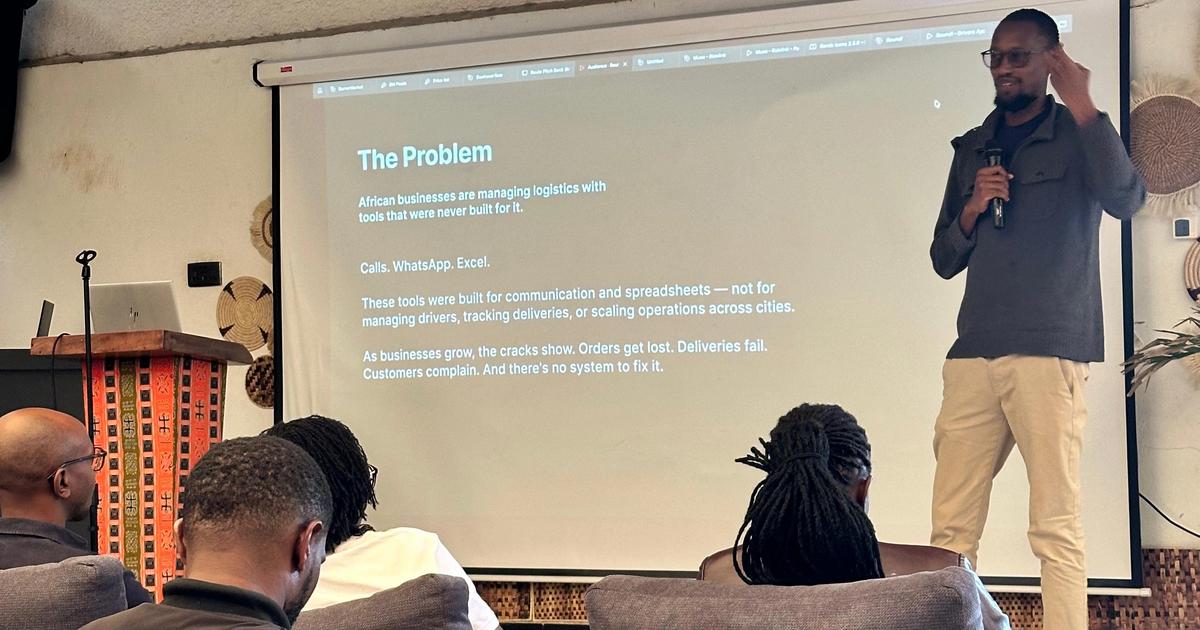
Many businesses rely on phone calls and WhatsApp to track deliveries. This leads to constant "Where is my order?" calls, no clear delivery records, and no accountability when things go wrong.
Delivery management software exists to solve exactly these problems.
Delivery Management Software vs Transport & Logistics Platforms
Many Kenyan businesses confuse delivery management software with ride-hailing apps, courier marketplaces, or enterprise logistics platforms.
They're not the same.
Transport Apps (e.g. on-demand delivery) charge per trip, focus on moving people or parcels, aren't built for daily delivery operations, and become expensive at scale for SMEs.
Enterprise Logistics Platforms are built for large fleets and corporations, require complex setup, are overkill for small teams, and are expensive for SMEs.
Delivery Management Software (Built for SMEs) helps manage your own riders, optimizes routes, tracks deliveries in real time, improves customer communication, and is designed for daily operations.
For most Kenyan SMEs, delivery management software is the most practical and cost-effective option.
Key Features Kenyan SMEs Should Look For
Not all delivery software works well in Kenya. These features matter most:
Route Optimization for Nairobi Traffic
The software should automatically plan efficient routes that reduce fuel consumption, help riders complete more deliveries per trip, and adapt to real Nairobi traffic conditions.
Real-Time Rider Tracking
Businesses should be able to see rider locations live, track delivery progress, and know when a delivery is delayed. This alone reduces customer support calls significantly.
Customer Delivery Updates
Customers should receive accurate ETAs, delivery status updates, and transparency on where their order is. This builds trust and reduces failed deliveries.
Rider Accountability & Performance Tracking
Good delivery management software shows delivery completion rates, missed or delayed deliveries, and rider performance over time. This improves discipline and consistency.
Simple Setup for Non-Technical Teams
Most SME owners are not technical. The system should be easy to set up, easy for riders to use, and compatible with standard Android phones.
How Delivery Management Software Helps SMEs Save Money
Many businesses think software is an extra cost. In reality, delivery management software often reduces overall expenses.
Here's how: lower fuel costs through smarter routes, fewer failed deliveries saving repeat trips, less customer support time handling delivery complaints, better use of existing riders instead of hiring more, and improved customer retention reducing acquisition costs.
For SMEs doing daily deliveries, these savings add up quickly.
Why Kenyan SMEs Are Moving Away from Per-Delivery Models
Paying per delivery might seem affordable at first. But as volume grows, costs become unpredictable, margins shrink, and businesses lose control over customer experience.
Delivery management software allows businesses to control operations, predict costs, and scale deliveries sustainably.
This is why more SMEs are choosing delivery management over outsourced delivery.
Is Delivery Management Software Only for Big Businesses?
No.
Modern delivery management platforms work whether you have one rider, two riders, or a growing delivery team.
The key benefit is structure, not size. Even a business handling 5 deliveries a day benefits from route planning, tracking, and customer updates.
Why Local, Kenya-Built Software Matters
Global tools are often built for perfect addresses, stable traffic patterns, and large fleets.
Kenyan businesses need software that understands estates, landmarks, and directions, Nairobi traffic realities, customer availability patterns, and SME cost sensitivity.
Locally built delivery management software fits these realities far better.
Where Roundi Fits In
Roundi is delivery management and last-mile delivery software built specifically for Kenyan SMEs.
It helps businesses plan smarter delivery routes, track riders in real time, reduce delivery costs, improve customer trust, and manage deliveries professionally without complexity.
Roundi is designed for businesses that already do deliveries and want to do them better, not businesses looking for random riders.
The Bottom Line
Delivery is no longer just an operational task. It's a core part of customer experience and brand trust.
For Kenyan SMEs, delivery management software is more affordable than per-delivery platforms, more practical than enterprise logistics tools, and more scalable than manual processes.
If your business relies on daily deliveries, managing them properly is no longer optional. It's how you grow.
Roundi is currently in early access for Kenyan businesses looking to improve their delivery operations.
Ready to Transform Your Delivery Operations in Kenya?
Join Kenyan businesses in Nairobi and across East Africa using Roundi to manage deliveries efficiently. Track orders in real-time, optimize routes, and delight your customers.