"Let Me Give Your Number to My Rider Guy..."
How one phrase after payment costs you thousands in lost customers.
David Kuria
There's a phrase I've grown to dread, one that appears after payment like clockwork:
"Let me give your number to my rider guy."
If you've ever bought anything in Nairobi, you know exactly what's coming next.
The Setup
You find what you need. You call or text the vendor. You negotiate a price. You pay.
Then you ask the innocent question: "How much for delivery?"
They either quote something suspiciously cheap, just low enough to close the sale, or they dodge entirely: "The rider will call you to arrange."
And when you hear that? You know you're about to be hustled.
The Last-Mile Hustle
This happened to me just last month.
My mechanic referred me to one of the best Subaru parts suppliers in the city. If you own a Subaru, you already understand: those parts don't come cheap.
I placed my order. Paid. No hesitation.
Then came the question: "How much to deliver these to my mechanic?"
The vendor quoted a fair price. Reasonable. I agreed.
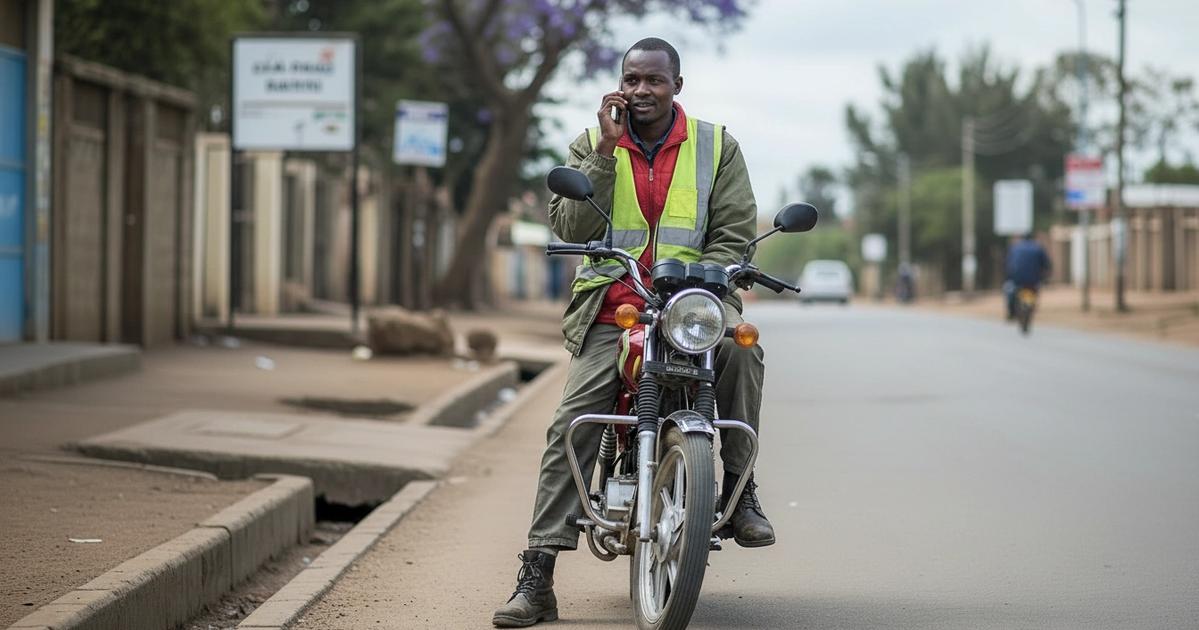
Then he gave my number to the rider.
When the rider called, the price had changed. Not slightly. Enough that it felt less like a delivery fee and more like a tax on having no alternatives.
In that moment, you realize something uncomfortable: you have no leverage.
Sending your own rider won't be cheaper. Going to pick it up yourself is inconvenient. The vendor already has your money.
So you pay. And you remember exactly how that made you feel.
I never bought from that vendor again.
When Vendors Stop Being Your Advocate
Here's what's actually happening: the moment vendors receive payment, they mentally exit the transaction.
They've made their sale. They've done their part. What happens with delivery? That's your problem now.
But this thinking is backwards.
The vendor should be the customer's advocate, especially after payment. A friend of mine once said something that completely changed how I think about sales:
"Sales doesn't end when the customer pays. It ends when the customer gets what they bought, delightfully."
If the customer isn't happy at the end, the sale failed. Full stop.
What Customers Actually Want
Most of us aren't asking for miracles. We want two simple things: to feel cared for, and to not be taken advantage of.
That's it.
When delivery becomes a hustle, it erases every bit of goodwill built during the sale. It transforms what should be smooth into stress, resentment, and distrust.
And customers remember that feeling. They remember it when they need to buy again. They remember it when friends ask for recommendations. They remember it when writing reviews.
Why This Destroys Your Business
Many Nairobi businesses operate like hustle ventures, optimized for today's cash, blind to tomorrow's customer.
But businesses that actually thrive understand something fundamental: repeat customers are the engine of sustainable growth.
Customer delight isn't accidental. It's intentional. It's operational. It requires owning the complete experience, delivery included.
That's how we run BurnerMarket, our food brand. We go out of our way to shield customers from chaos, because we understand that trust compounds.
Every delivery either builds trust or breaks it. There's no neutral ground.
Delivery Is Your Brand
When you hand your customer to a rider and disappear, you're sending a clear message: "What happens next isn't my problem."
Customers feel this immediately.
Think about it: a customer never says, "The rider messed up." They say, "This business disappointed me."
In their mind, the business and the delivery are one unified experience. The rider represents you, whether you acknowledge it or not.
Delivery isn't just logistics. Delivery is customer experience. Delivery is trust.
And trust is the difference between a one-time transaction and a lifetime customer.
The True Cost of Getting It Wrong
Here's what actually happens when businesses treat delivery as someone else's problem:
Lost customers. Not just one sale, but every future sale from that customer and everyone they would have told.
Damaged reputation. Bad delivery experiences spread faster than good ones. One frustrated customer tells ten people. Maybe twenty.
Higher acquisition costs. When you lose customers to poor delivery, you spend more money constantly finding new ones to replace them.
Slower growth. Businesses built on repeat customers grow faster and more sustainably than those perpetually chasing new ones.
The "rider hustle" might save you Ksh 100 today. But it costs you thousands in lost lifetime value.
Taking Ownership of the Complete Experience
The businesses winning in Kenya right now aren't the ones with the lowest prices or the flashiest marketing.
They're the ones controlling the entire customer journey, from discovery to purchase to delivery to follow-up.
They understand that every touchpoint matters. They understand that delivery isn't an afterthought. They understand the sale isn't complete until the customer has what they paid for and feels good about it.
This is exactly why we built Roundi.
Too many product brands in Kenya are losing customers not because their products fail, but because their delivery experience breaks trust. And that's completely fixable.
What Changes When You Own Delivery
When you take ownership of delivery operations:
Customers trust you more. They know you're accountable for the complete experience, not just the product.
You control quality. You decide how deliveries are handled, what communication customers receive, how problems get resolved.
You save money. Predictable costs, optimized routes, fewer failed deliveries, all leading to better margins.
You grow faster. Happy customers return. They refer friends. They leave positive reviews. They become advocates.
Delivery stops being a cost center and becomes a growth engine.
Every time you say "let me give your number to my rider guy," you're making a choice.
You're choosing convenience over control. You're choosing to wash your hands of the last mile. You're choosing to let someone else define your customer's experience.
And in a market as competitive as Kenya, that choice has consequences.
The businesses that win will be the ones that understand: delivery is not someone else's job. It's yours.
At Roundi, we're building tools to help product brands take ownership of their delivery operations, from route planning to real-time tracking to customer communication.
Because we believe every Kenyan brand deserves to deliver with confidence.
Currently in early access for businesses ready to transform their delivery experience.
Ready to Transform Your Delivery Operations in Kenya?
Join Kenyan businesses in Nairobi and across East Africa using Roundi to manage deliveries efficiently. Track orders in real-time, optimize routes, and delight your customers.